
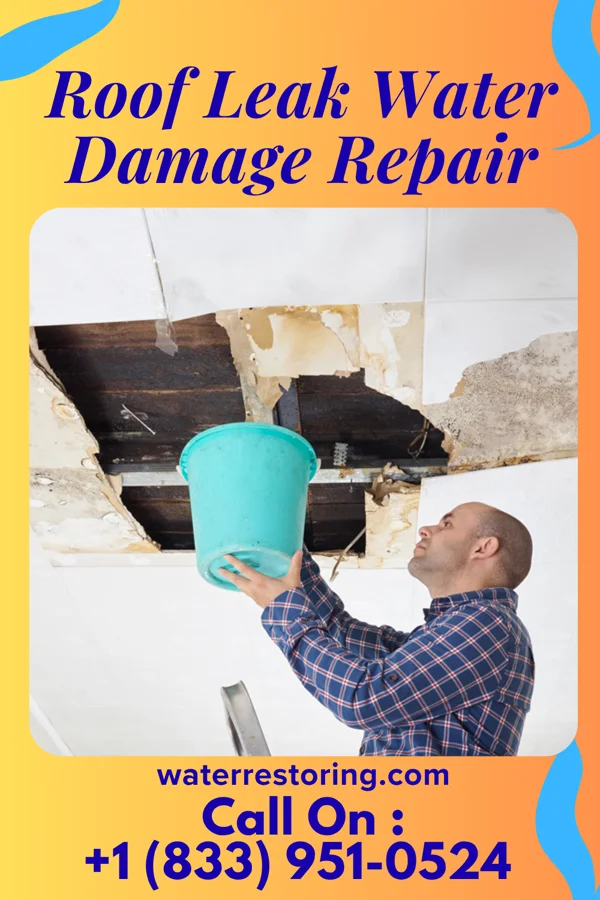
New Market Storm Roof Leak Drivers
Water damage in New Market tends to cluster in predictable windows because of the local climate. New Market, Maryland experiences frequent thunderstorms and heavy rainfall during the spring and summer months, which can lead to sudden roof leaks. The area is also prone to high humidity, creating an environment where water can linger on roofing materials for extended periods. These conditions can quickly escalate into significant water damage if not addressed promptly. A close second is In the fall, New Market may encounter strong winds and sudden temperature drops, which can cause roofing materials to expand and contract, leading to potential gaps and leaks. Winter snowfall, while less common, can still accumulate on rooftops and contribute to ice dams, further increasing the risk of water infiltration..
The humid climate in New Market contributes to faster deterioration of roofing materials, especially when combined with frequent rainfall. This can lead to issues such as shingle granule loss, flashing failure, and improper drainage, all of which can result in water damage.
The humid climate in New Market contributes to faster deterioration of roofing materials, especially when combined with frequent rainfall. This can lead to issues such as shingle granule loss, flashing failure, and improper drainage, all of which can result in water damage. The dominant local driver is New Market, Maryland experiences frequent thunderstorms and heavy rainfall during the spring and summer months, which can lead to sudden roof leaks. The area is also prone to high humidity, creating an environment where water can linger on roofing materials for extended periods. These conditions can quickly escalate into significant water damage if not addressed promptly., with In the fall, New Market may encounter strong winds and sudden temperature drops, which can cause roofing materials to expand and contract, leading to potential gaps and leaks. Winter snowfall, while less common, can still accumulate on rooftops and contribute to ice dams, further increasing the risk of water infiltration. showing up as the next most common cause. Damage builds in stages. Spread. Absorption. Microbial growth. Structural compromise. Every stage you pass through adds to the final bill.
For public guidance on the health effects of mold after prolonged water exposure, see the EPA mold and health page.